Retinol Concentration in Skincare: Why IU Matters More Than Percentages
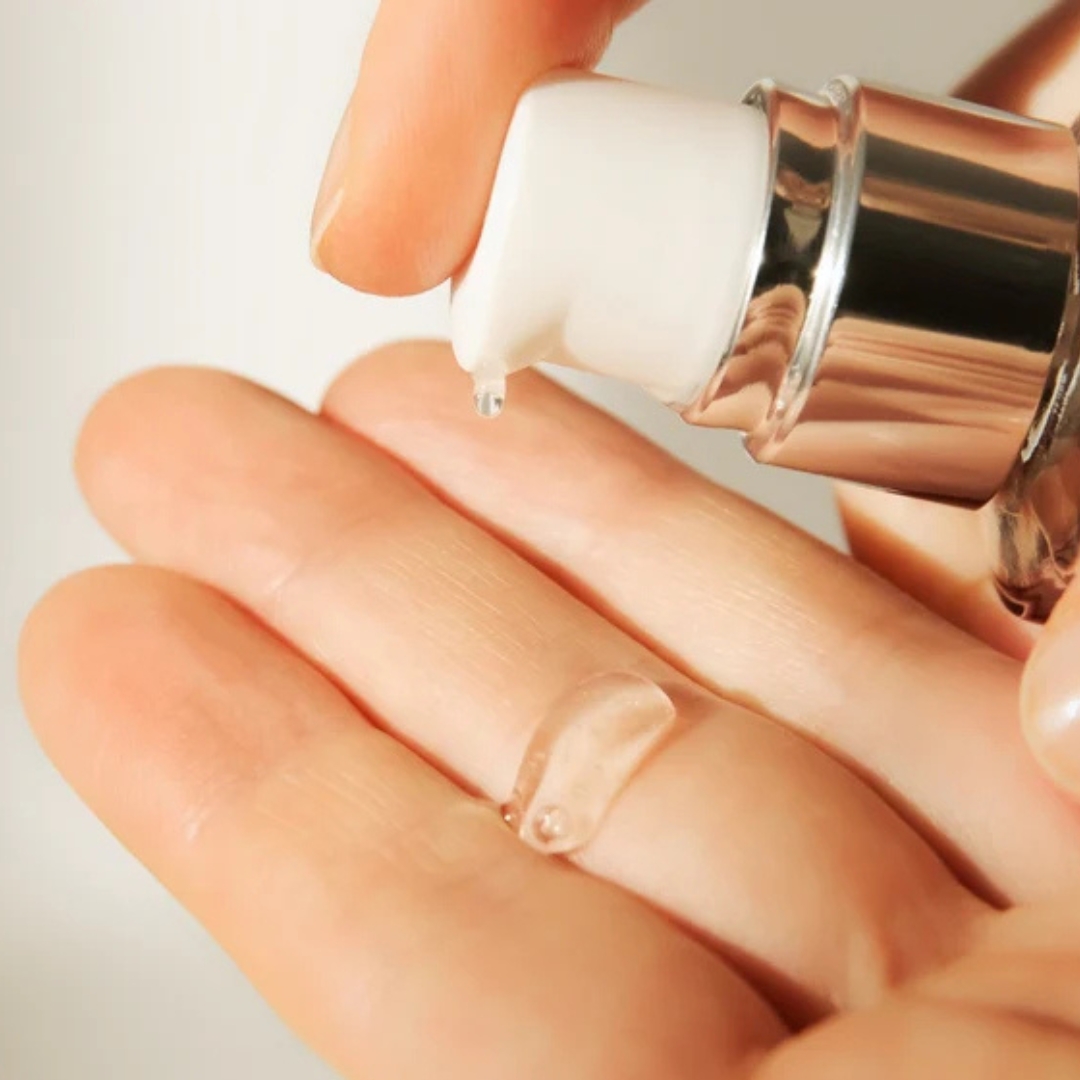
Percentage vs. IU: What’s the Difference?
ercentages show how much retinol is in a product by weight. For example, 1% retinol means 1 gram per 100 grams of product. While simple, percentages can be misleading because different forms of retinol deliver vastly different results.
Pure retinol, retinyl palmitate, and retinaldehyde each have unique biological activity. Two products with the same percentage can be drastically different in potency. IU measures biological effect, not mass. For instance, pure retinol is nearly twice as potent as retinyl palmitate by weight. Understanding IU ensures you know the real strength of a retinol product before use.
Different Forms of Retinol and Why IU Matters
Retinol exists in multiple forms, each with distinct potency. Pure retinol acts quickly and strongly. Retinyl palmitate is gentler but requires nearly double the mass for the same effect. Retinaldehyde provides intermediate strength, making it suitable for sensitive skin.
By using IU, skincare brands provide a standardized way to measure potency. IU allows consumers and professionals to compare retinoids accurately and understand their true biological effect.
For a deeper dive into how each form of Vitamin A works in your skin, check out our separate article: Retinyl, Retinol, Retinaldehyde, Retinoic Acid: What’s the Difference?. Learn how Vitamin A supports cell renewal, collagen production, and long-term skin health.
Environ Retinol: Safe, Effective, and Compliant With Canadian Guidelines
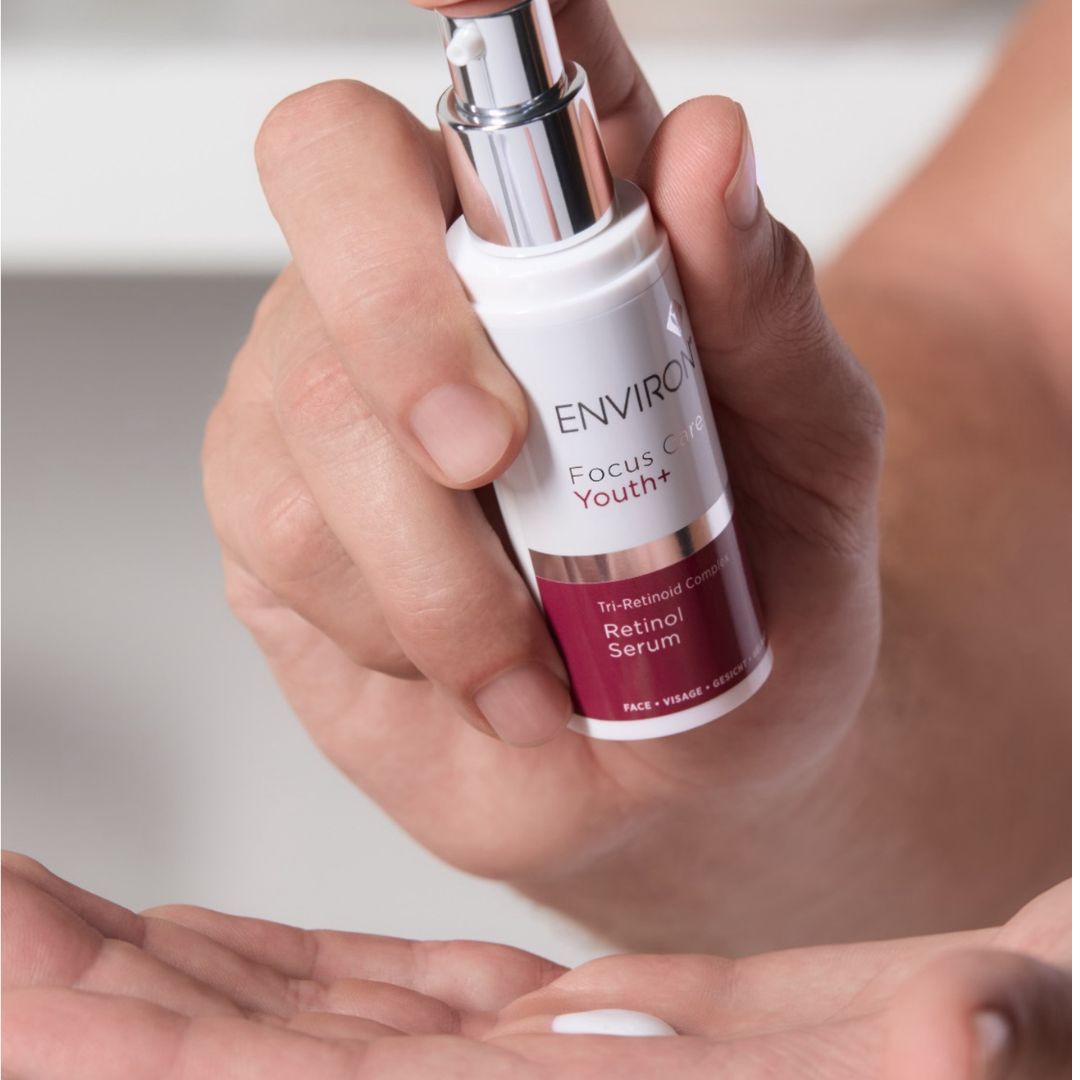
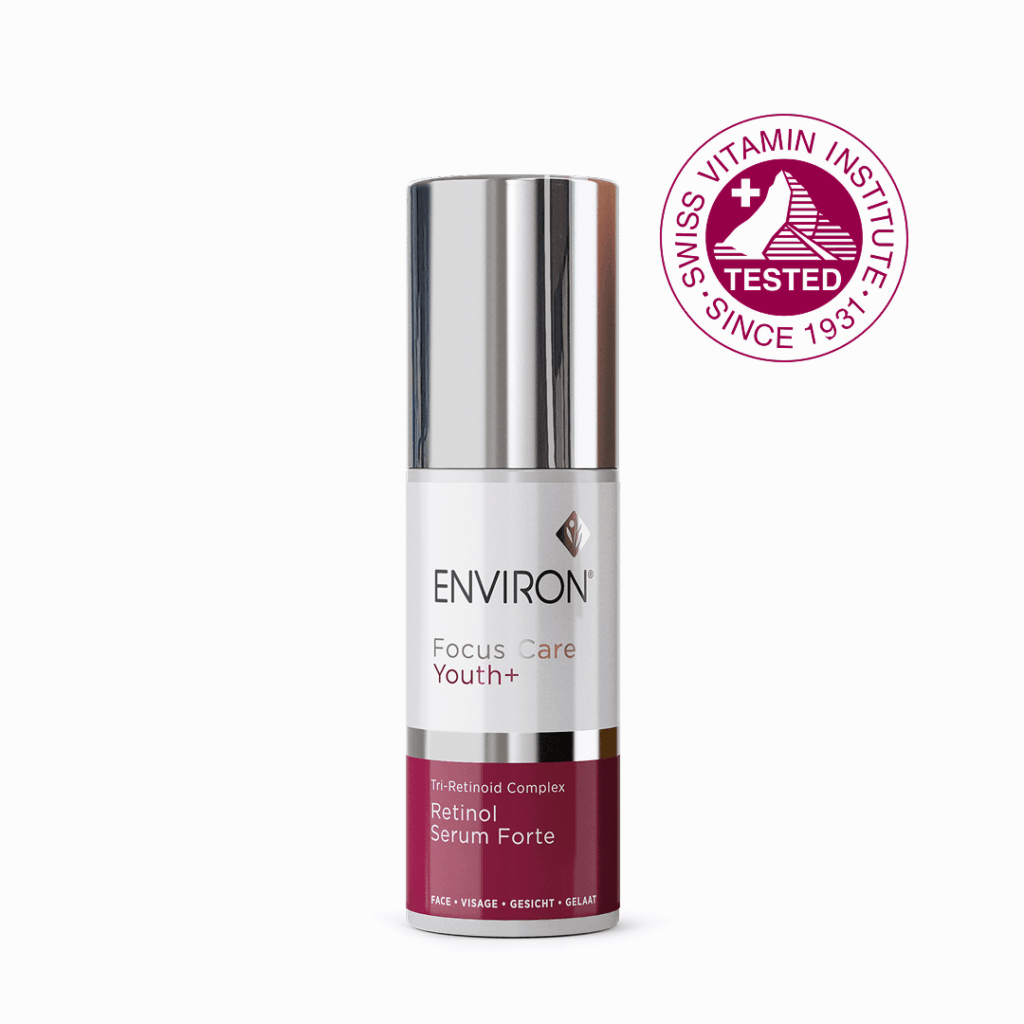
Tri-Retinol Complex Retinol Serum Forte
Environ retinol serums are a clear example of IU in action. These formulas comply with Health Canada regulations, limiting leave-on retinol to 10,000 IU per gram.
Using IU ensures each product delivers consistent strength while staying within safe limits. This precision allows users to enjoy visible benefits, smoother, firmer, and brighter skin, without unnecessary irritation. Environ’s approach demonstrates how IU provides both safety and efficacy in high-performance retinol skincare.
Why IU Should Guide Your Retinol Choices
IU makes it easier to choose the right product. A lower percentage of a potent retinoid can outperform a higher percentage of a weaker form. Knowing IU helps users select the right strength for their skin type and experience level.
Understanding IU also helps skincare professionals recommend products safely. It ensures that the product delivers effective retinoid activity without causing irritation or overuse.
Safe Retinol Use Starts With IU
High concentrations of retinol can cause dryness, redness, and irritation if not used properly. IU provides a standardized measure of potency, guiding safe application. Users can gradually increase strength while maximizing benefits like improved skin texture, radiance, and firmness.
Products like Environ retinol serums show how IU-based formulation balances safety and effectiveness, making it easier to achieve real results.
References
- Health Canada. Cosmetic Ingredient Hotlist. Government of Canada. https://www.canada.ca/en/health-canada/services/consumer-product-safety/cosmetics/cosmetic-ingredient-hotlist.html
- European Commission. Scientific Committee on Consumer Safety (SCCS) – Opinion on Vitamin A in Cosmetics. European Commission, 2018. https://ec.europa.eu/health/scientific_committees/consumer_safety_en
- Zasada, M. et al. “Topical Retinoids in Dermatology: Mechanisms, Efficacy, and Safety.” Dermatology Practical & Conceptual, 2020;10(2):e2020032. https://www.ncbi.nlm.nih.gov/pmc/articles/PMC7254418/
- Draelos, Z. Cosmetic Dermatology: Products and Procedures. 3rd Edition. Wiley-Blackwell, 2018.
- Environ Skin Care. Retinol Serums Product Information. https://www.environcanada.com